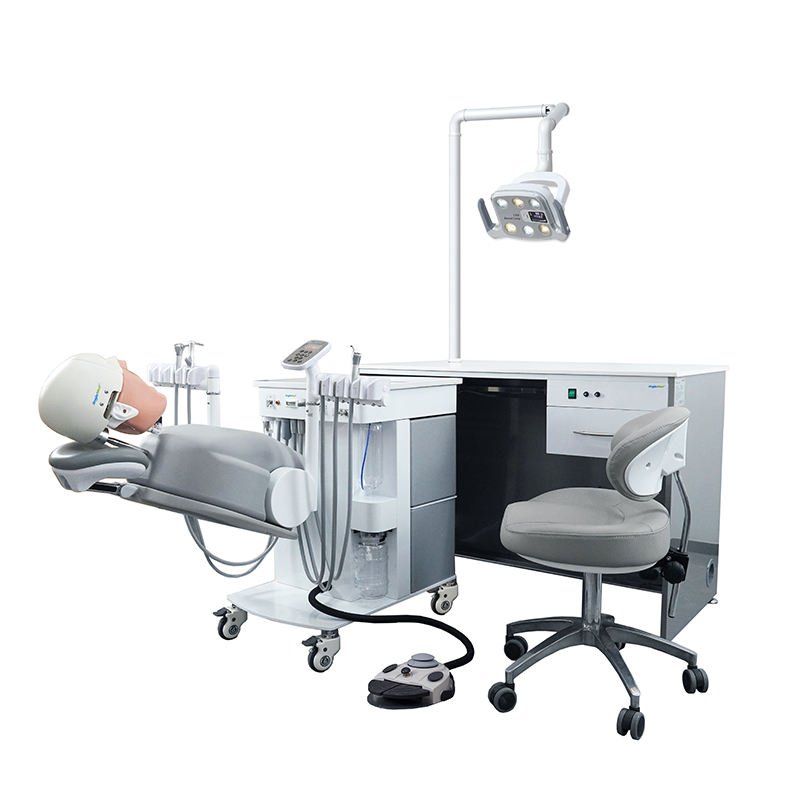
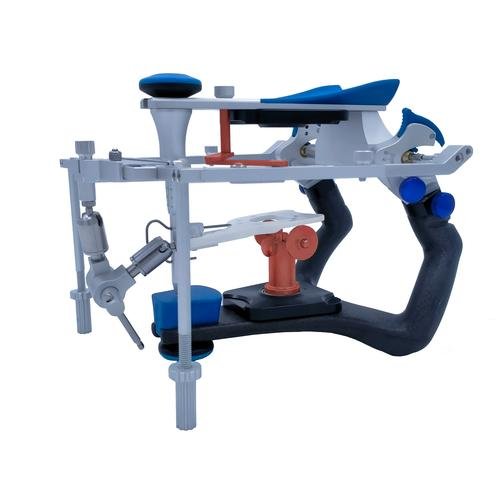
For dental students, mastering the art of taking accurate impressions is a foundational skill. It’s not just about capturing the anatomy of a patient’s teeth—it’s about precision, patience, and practice. In dental schools, simulation systems like typodonts (phantom heads) play a pivotal role in helping students hone this skill in a controlled environment. These systems, equipped with tools like the dental vacuum pump, facebows, and articulators, create a realistic setting for students to practice before working with actual patients.
In this blog post, we’ll explore the importance of impression-taking in dental education, the role of simulation systems, and the correct operation of related tools to ensure success.
Why Impression-Taking Matters
Accurate impressions are the cornerstone of many dental procedures, including crowns, bridges, dentures, and orthodontic appliances. A poorly taken impression can lead to ill-fitting restorations, discomfort for the patient, and costly remakes. For dental students, learning to take impressions correctly on a typodont ensures they’re prepared for real-world clinical scenarios.
The Role of Simulation Systems in Dental Schools
Dental schools use typodonts—simulated patient heads with removable teeth—to mimic real oral environments. These systems allow students to practice impression-taking without the pressure of working on a live patient. Here’s how the process typically unfolds:
1. Preparing the Typodont
Before taking an impression, the typodont must be prepared to simulate a real patient’s oral cavity. This includes:
- Positioning the Typodont: Ensure it is securely mounted and aligned to mimic a patient’s natural head position.
- Applying Artificial Saliva: Some typodonts include a saliva simulation feature to replicate real conditions. This is where the dental vacuum pump comes into play—it helps manage excess saliva and debris, just as a high-volume evacuator would in a clinical setting.
2. Using the Dental Vacuum Pump
The dental vacuum pump is a critical tool in maintaining a clean and dry working field. Here’s why it’s essential:
- Debris Removal: As students practice, debris from previous impressions or artificial saliva can accumulate. The vacuum pump suctions away these particles, ensuring a clean surface for the next impression.
- Moisture Control: Excess moisture can compromise the quality of the impression material. The vacuum pump helps keep the typodont dry, allowing materials like alginate or silicone to set properly.
- Real-World Simulation: By using the vacuum pump, students become accustomed to managing moisture and debris, just as they would with a real patient.
3. Taking the Impression
Once the typodont is prepared, students proceed with the following steps:
- Selecting the Tray: Choose an appropriately sized impression tray that fits the typodont’s arch.
- Mixing the Material: Prepare the impression material (e.g., alginate or silicone) according to the manufacturer’s instructions.
- Loading the Tray: Fill the tray with the mixed material and seat it firmly over the typodont’s teeth.
- Setting Time: Allow the material to set for the recommended time. During this phase, ensure the typodont remains stable and undisturbed.
4. Removing the Impression
After the material has set:
- Gentle Removal: Carefully remove the tray from the typodont to avoid distorting the impression.
- Inspection: Check the impression for accuracy—ensure all teeth and anatomical details are captured without voids or bubbles.
5. Transferring to the Articulator
The final step involves transferring the impression to create a die stone model:
- Facebow Transfer: Use a facebow to record the typodont’s maxillomandibular relationship and transfer it to an articulator. This step is crucial for fabricating restorations that fit correctly in the patient’s bite.
- Pouring the Model: Pour dental stone into the impression to create a physical model of the teeth. This model is later used in the dental laboratory for fabricating crowns, bridges, or other appliances.
Common Mistakes and How to Avoid Them
Even in a simulated environment, mistakes can happen. Here are some common pitfalls and tips to avoid them:
- Incomplete Impressions:
- Cause: Insufficient material or improper tray placement.
- Solution: Ensure the tray is fully seated and the material covers all teeth and surrounding tissues.
- Voids or Bubbles:
- Cause: Air trapped during mixing or seating.
- Solution: Mix the material thoroughly and seat the tray slowly to allow air to escape.
- Distorted Impressions:
- Cause: Movement during setting or premature removal.
- Solution: Keep the typodont stable and wait the full setting time before removal.
- Moisture Contamination:
- Cause: Excess saliva or water on the typodont.
- Solution: Use the dental vacuum pump to maintain a dry field before taking the impression.
The Importance of Practice
Like any skill, impression-taking improves with practice. Dental students should take advantage of simulation systems to refine their technique. The more impressions you take on a typodont, the more confident and precise you’ll become when working with real patients.
Final Thought
Impression-taking is a fundamental skill for dental students, and simulation systems like typodonts provide an invaluable platform for practice. By understanding the role of tools like the dental vacuum pump, air compressor, typodonts, handpiece high and low speed, facebow, and articulator, students can ensure their impressions are accurate and reliable. Remember, every detail matters—from preparing the typodont to inspecting the final impression. With practice and attention to detail, you’ll be well on your way to mastering this essential dental procedure.