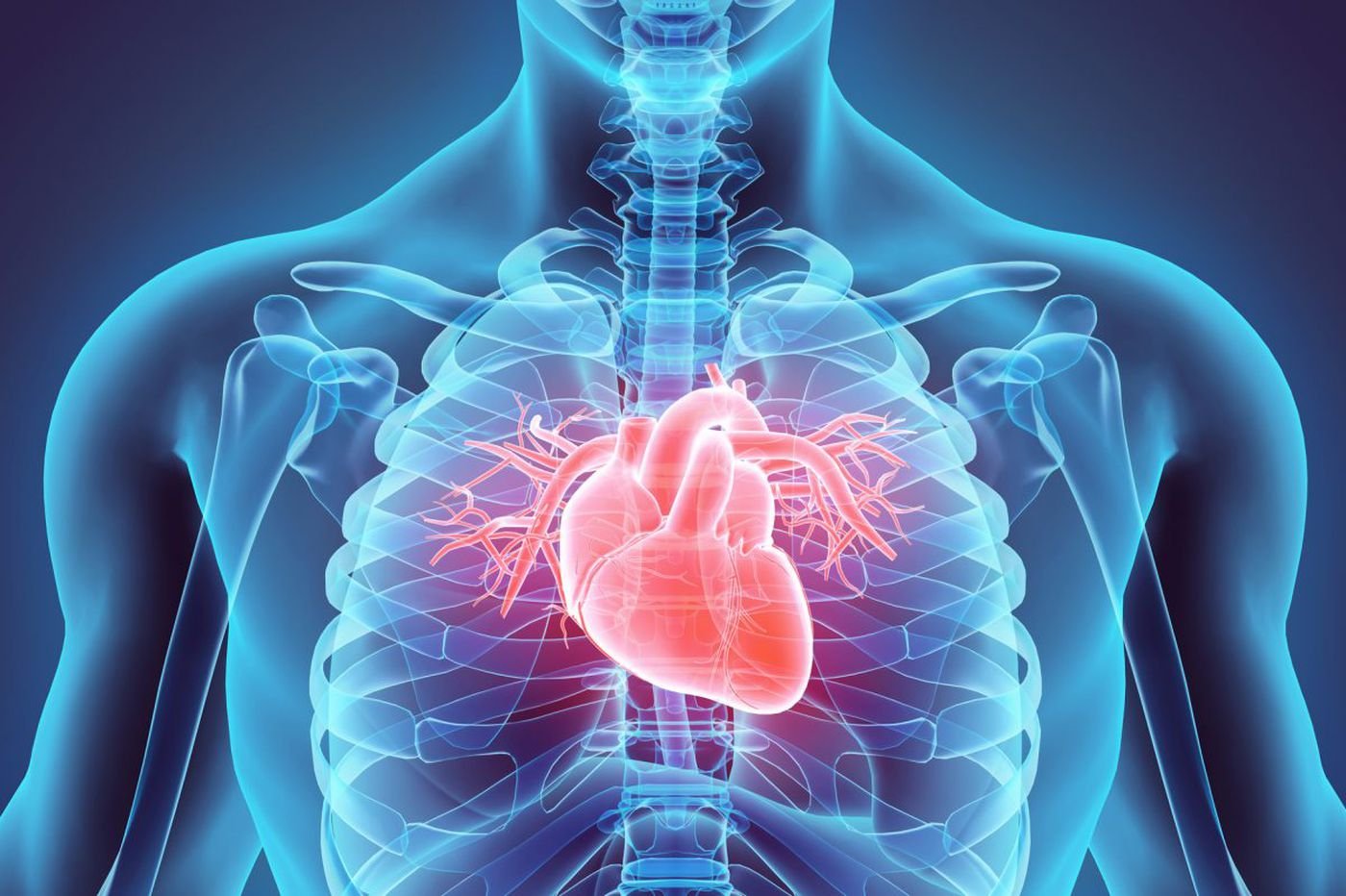
Heart disease continues to be one of the leading causes of death worldwide, making cardiology an essential field for protecting long-term health. While many people associate heart problems with older age, the reality is that cardiac conditions can develop silently over years—often without noticeable symptoms. That’s why understanding cardiology, preventive measures, and the importance of early diagnosis is crucial for everyone, regardless of age.
Cardiology focuses on the diagnosis, treatment, and prevention of diseases affecting the heart and blood vessels. This includes conditions like coronary artery disease, arrhythmias, congenital heart defects, heart failure, and hypertension. These diseases often develop slowly, and early warning signs—such as fatigue, shortness of breath, chest pressure, or palpitations—can be easily overlooked. Because of this, cardiologists recommend regular heart screenings and lifestyle assessments, especially for individuals with risk factors such as smoking, stress, diabetes, high cholesterol, or a family history of heart disease.
One of the most important aspects of cardiology is preventive care. Doctors emphasize small but impactful changes that significantly reduce the risk of heart problems. A heart-healthy diet—rich in vegetables, whole grains, fruits, nuts, and lean proteins—helps maintain cholesterol and blood pressure levels. Regular physical activity, particularly aerobic exercises such as walking, swimming, or cycling, improves cardiovascular endurance, reduces inflammation, and enhances overall circulation.
Stress management plays a surprisingly large role as well. Chronic stress elevates cortisol levels, increases blood pressure, and can lead to unhealthy coping habits like overeating or smoking. Mindfulness, yoga, and adequate sleep are often overlooked but powerful tools that support long-term heart health.
Regular checkups with a cardiologist can identify early signs before they become serious. Tests like ECG, echocardiography, stress tests, lipid profiles, and cardiac CT scans help detect abnormalities in rhythm, blood flow, and heart structure. For those already diagnosed with heart conditions, modern cardiology offers advanced treatments such as angioplasty, stent placement, pacemakers, minimally invasive surgeries, and innovative medications that support heart function and prevent complications.
Another essential point is the increasing incidence of heart disease among younger people. Sedentary lifestyles, processed foods, digital stress, and lack of physical activity have contributed to rising numbers of heart issues in individuals under 40. Many remain unaware until a significant event occurs. This highlights the need for early education about risk factors, promoting active lifestyles, and encouraging better daily habits.
Cardiology doesn’t just treat heart disease—it helps people regain confidence in their health, improve their quality of life, and prevent life-threatening complications. With increasing awareness, technological advancements, and personalized care, maintaining a healthy heart has become more achievable than ever. Taking responsibility for your heart today is one of the best investments you can make for your future well-being.