Dental implants have become one of the most popular solutions for replacing missing teeth. Whether due to decay, injury, or age, missing teeth can affect not only your smile but also your overall oral health. Dental implants offer a reliable, long-term solution that looks, feels, and functions like natural teeth.
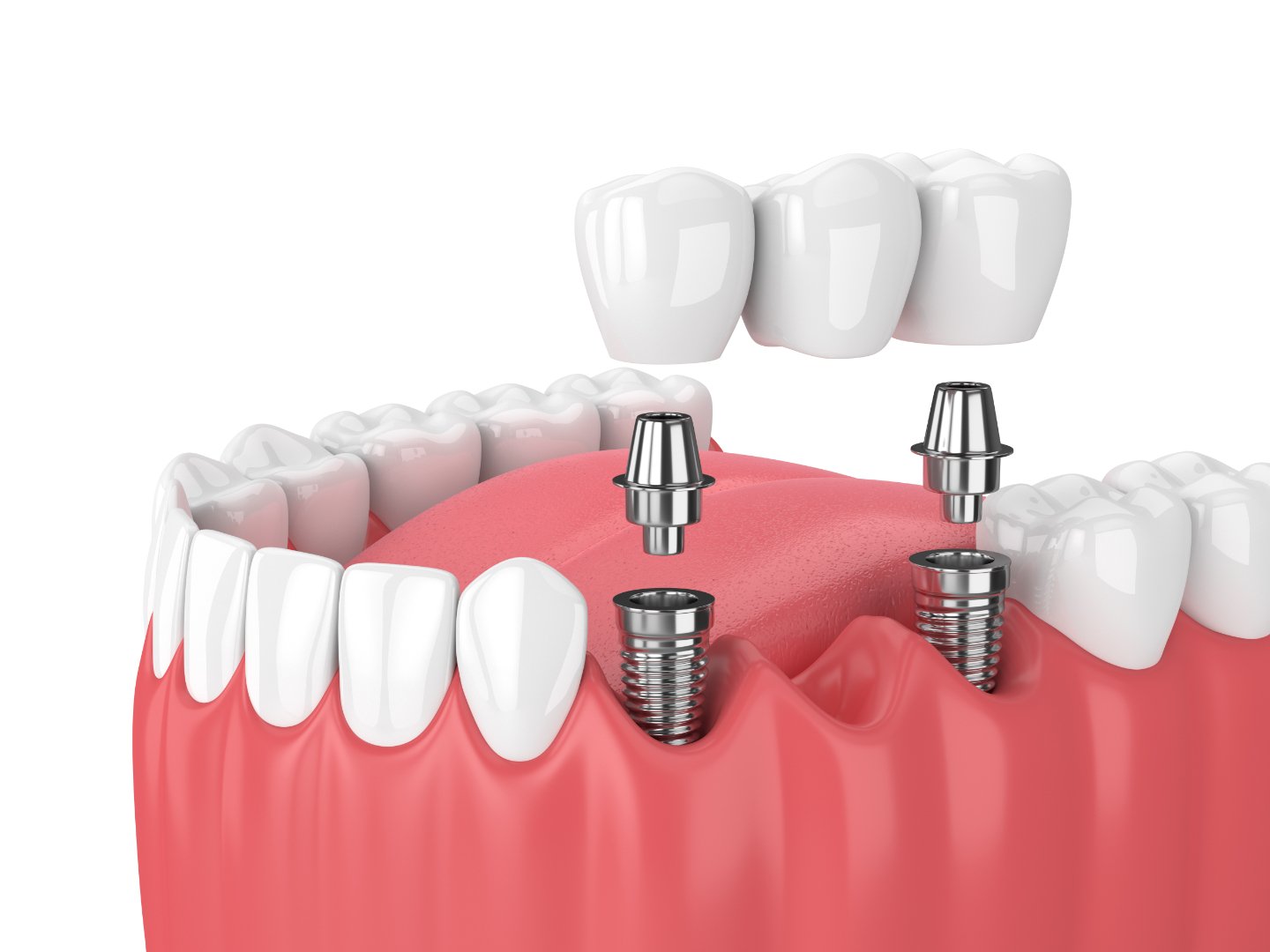
What Are Dental Implants? A dental implant is a small titanium post that is surgically placed into the jawbone to act as a replacement root for a missing tooth. Over time, the implant fuses with the jawbone through a process called osseointegration. Once the implant is stable, a crown, bridge, or denture is attached to restore the missing tooth or teeth.
Benefits of Dental Implants Dental implants provide several advantages over traditional tooth replacement options:
Natural Appearance: Implants are designed to match the color, shape, and size of your natural teeth, ensuring a seamless look.
Durability: With proper care, dental implants can last a lifetime, making them a cost-effective solution in the long run.
Bone Preservation: Implants stimulate the jawbone, preventing bone loss that usually occurs after tooth loss.
Improved Oral Function: Unlike removable dentures, implants allow you to chew and speak comfortably without slipping.
Confidence Boost: Restoring missing teeth improves your smile, self-esteem, and overall quality of life.
Types of Dental Implants There are different types of dental implants available depending on your needs:
Endosteal Implants: The most common type, placed directly into the jawbone. Suitable for most patients with healthy jawbones.
Subperiosteal Implants: Placed under the gum but above the jawbone. Used for patients with insufficient bone height.
All-on-4 or All-on-6 Implants: Full-arch restorations using just 4 or 6 implants to support a complete set of teeth. Ideal for patients who need multiple teeth replaced.
The Dental Implant Procedure The process of getting a dental implant typically involves multiple steps:
Consultation & Examination: Your dentist evaluates your oral health and takes X-rays or CT scans to determine the best implant placement.
Implant Placement: The titanium post is surgically inserted into the jawbone. Local anesthesia or sedation is used to ensure comfort.
Healing Period: The jawbone gradually fuses with the implant over a period of 3–6 months.
Abutment Placement: After healing, an abutment is attached to the implant. This serves as a connector between the implant and the artificial tooth.
Crown Placement: Finally, a custom-made crown is attached, completing the restoration.
Aftercare for Dental Implants Caring for dental implants is similar to caring for natural teeth:
Brush and floss daily to maintain gum health.
Avoid smoking, as it can affect healing and implant success.
Visit your dentist regularly for check-ups and cleanings.
Avoid biting extremely hard foods directly on the implant to prevent damage.
Who Is a Candidate for Dental Implants? Most healthy adults with good oral hygiene and sufficient jawbone density can be candidates. Conditions such as uncontrolled diabetes or severe bone loss may require additional procedures like bone grafting before implant placement.
Conclusion Dental implants are a reliable and long-lasting solution for missing teeth. They not only restore function but also enhance your appearance and confidence. Consulting a skilled dental professional is the first step toward a healthier, more confident smile.
Health Me Plus is your go-to health blog for trusted tips, expert advice, and easy wellness guides. Discover articles on fitness, nutrition, mental health, skincare, and healthy living all designed to help you feel your best every day. Stay informed, stay healthy with Health Me Plus!