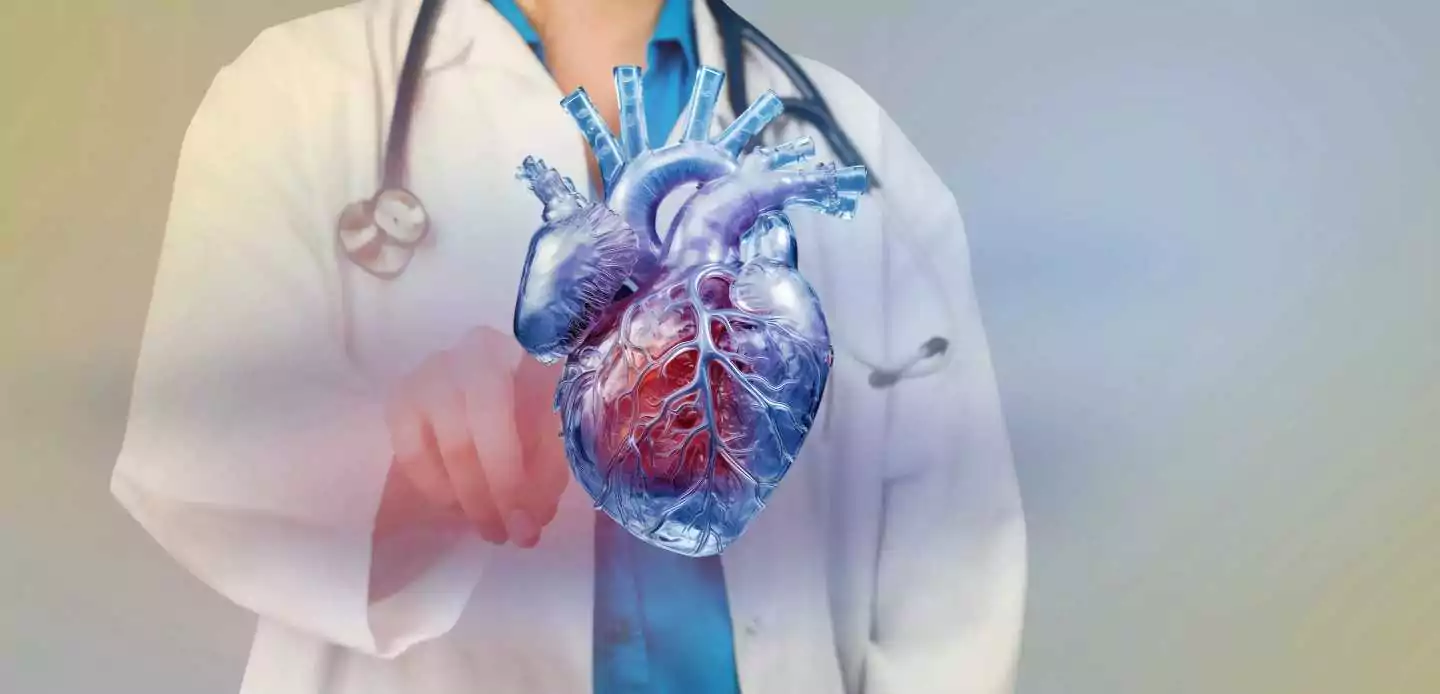
Modern cardiology has evolved rapidly, offering new hope for patients with heart-related conditions while significantly improving prevention strategies. Today, heart attacks and strokes—once considered inevitable complications for high-risk individuals—can often be prevented through timely diagnosis, advanced treatments, and lifestyle interventions. Understanding how cardiology contributes to this transformation is essential for anyone aiming to maintain lifelong heart health.
Heart attacks occur when blood flow to a section of the heart becomes blocked due to plaque buildup in the arteries. Strokes, similarly, result from blockages or bleeding in the brain’s blood vessels. Both conditions can be devastating, but many are preventable with early intervention. Cardiologists emphasize risk assessment as the first step: identifying high cholesterol, uncontrolled blood pressure, diabetes, obesity, smoking habits, and genetic predispositions.
Modern cardiology uses sophisticated diagnostic tools to detect issues long before symptoms appear. Coronary calcium scoring, advanced lipid testing, 2D and 3D echocardiography, CT angiography, and stress echocardiograms provide detailed insights into cardiovascular health. These tests offer early warnings, allowing doctors to create personalized treatment plans for each patient.
Lifestyle modification remains at the center of heart attack and stroke prevention. Cardiologists encourage a balance of nutrition, exercise, and emotional well-being. Eating antioxidant-rich foods, incorporating healthy fats, limiting sugars, and reducing salt intake all help protect artery health. Exercise not only strengthens the heart but also improves circulation and reduces the risk of clot formation. Mind-body practices support blood pressure control and reduce inflammation—a key contributor to cardiovascular disease.
When lifestyle adjustments aren’t enough, medications can effectively manage risk factors. Cholesterol-lowering drugs, blood thinners, antihypertensives, and medications controlling blood sugar help reduce stress on the heart. For more advanced cases, cardiology offers minimally invasive treatments like stent placement, angioplasty, and catheter-based procedures that restore blood flow with shorter recovery times.
Another breakthrough in modern cardiology is the growing focus on patient education. Understanding symptoms—such as chest tightness, shortness of breath, dizziness, and sudden weakness—empowers individuals to seek help immediately. Timely response can be the difference between full recovery and severe complications.
Technology has also become an ally in preventing heart events. Wearable devices now track heart rate, rhythm irregularities, sleep patterns, and physical activity. Many detect early signs of arrhythmias like atrial fibrillation, helping users seek medical care before the condition leads to stroke.
The future of cardiology holds even more promise, with advancements in regenerative medicine, artificial intelligence for predicting risks, and personalized cardiac rehabilitation programs. With modern tools, informed choices, and proactive care, heart attacks and strokes are no longer unavoidable—they are preventable.