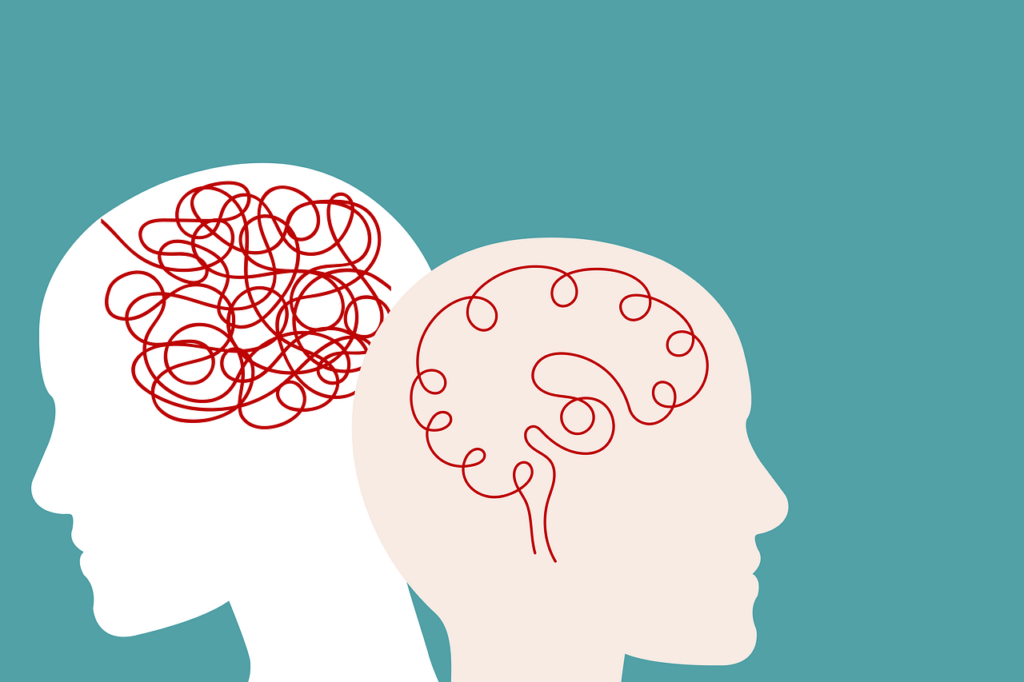
Mental health is a cornerstone of living a balanced and fulfilling life. While therapy and medication are crucial for managing diagnosed conditions, everyday habits and lifestyle choices play a significant role in maintaining mental well-being. Mental health is not just the absence of mental illness; it is the presence of emotional resilience, positive self-esteem, and the ability to cope effectively with stress.
The Importance of Mental Health
Mental health affects how we perceive and interact with the world. Poor mental health can lead to emotional instability, strained relationships, decreased productivity, and physical health problems such as high blood pressure, fatigue, and weakened immunity. On the other hand, strong mental health promotes resilience, creativity, and the capacity to enjoy life fully.
Practical Strategies to Improve Mental Health
Maintain a Balanced Lifestyle A healthy lifestyle is foundational to mental wellness. This includes:
Nutrition: A diet rich in fruits, vegetables, whole grains, and lean protein supports brain function and mood regulation.
Physical Activity: Exercise releases endorphins, reducing stress and enhancing overall well-being. Even a short daily walk can boost mood.
Sleep Hygiene: Quality sleep restores cognitive function and emotional stability. Adults should aim for 7–9 hours per night.
Manage Stress Effectively Chronic stress is detrimental to mental health. Techniques to manage stress include:
Mindfulness meditation or deep breathing exercises
Yoga or tai chi to combine physical movement with relaxation
Scheduling breaks and leisure activities to avoid burnout
Foster Positive Relationships Human connection is vital for emotional health. Supportive relationships provide encouragement, empathy, and a sense of belonging. Building strong bonds with family, friends, or community groups can act as a buffer against mental health challenges.
Practice Self-Compassion and Gratitude Being kind to oneself and appreciating life’s positive aspects enhances resilience. Keeping a gratitude journal, acknowledging personal achievements, and avoiding harsh self-criticism promote a healthier mindset.
Engage in Meaningful Activities Pursuing hobbies, volunteering, or participating in activities aligned with personal values contributes to purpose and fulfillment. Having a sense of purpose improves mental health and protects against depression and anxiety.
Limit Negative Influences Reduce exposure to negative media, toxic relationships, or unhealthy coping mechanisms such as excessive alcohol or drug use. Curating a supportive environment fosters positive mental habits.
Seek Professional Help When Needed Recognizing when professional help is necessary is a sign of strength, not weakness. Mental health professionals provide therapy, counseling, and medication management tailored to individual needs. Early intervention can prevent minor issues from escalating into serious conditions.
Mental Health in the Workplace
Mental wellness is not limited to personal life—it also extends to the workplace. Employers can support mental health by:
Promoting flexible schedules to reduce stress
Offering employee counseling services
Encouraging regular breaks and physical activity
Fostering an open culture where employees feel safe discussing mental health
Mental Health for Different Life Stages
Mental health challenges can differ based on age and life circumstances:
Children and Adolescents: Focus on emotional education, supportive parenting, and social skills development.
Adults: Address work-life balance, stress management, and coping strategies.
Older Adults: Combat isolation, encourage social engagement, and monitor cognitive health.
Conclusion
Improving mental health is an ongoing journey that requires awareness, effort, and the right support. By adopting healthy lifestyle habits, managing stress, building positive relationships, and seeking professional help when necessary, individuals can enhance their mental well-being. Communities and workplaces also play a critical role in providing supportive environments.
Ultimately, mental health is a vital component of a happy, productive, and fulfilling life. Everyone deserves to prioritize their mental wellness, and with the right strategies, it is entirely possible to lead a balanced and resilient life.
Comments are closed
Health Me Plus is your go-to health blog for trusted tips, expert advice, and easy wellness guides. Discover articles on fitness, nutrition, mental health, skincare, and healthy living all designed to help you feel your best every day. Stay informed, stay healthy with Health Me Plus!