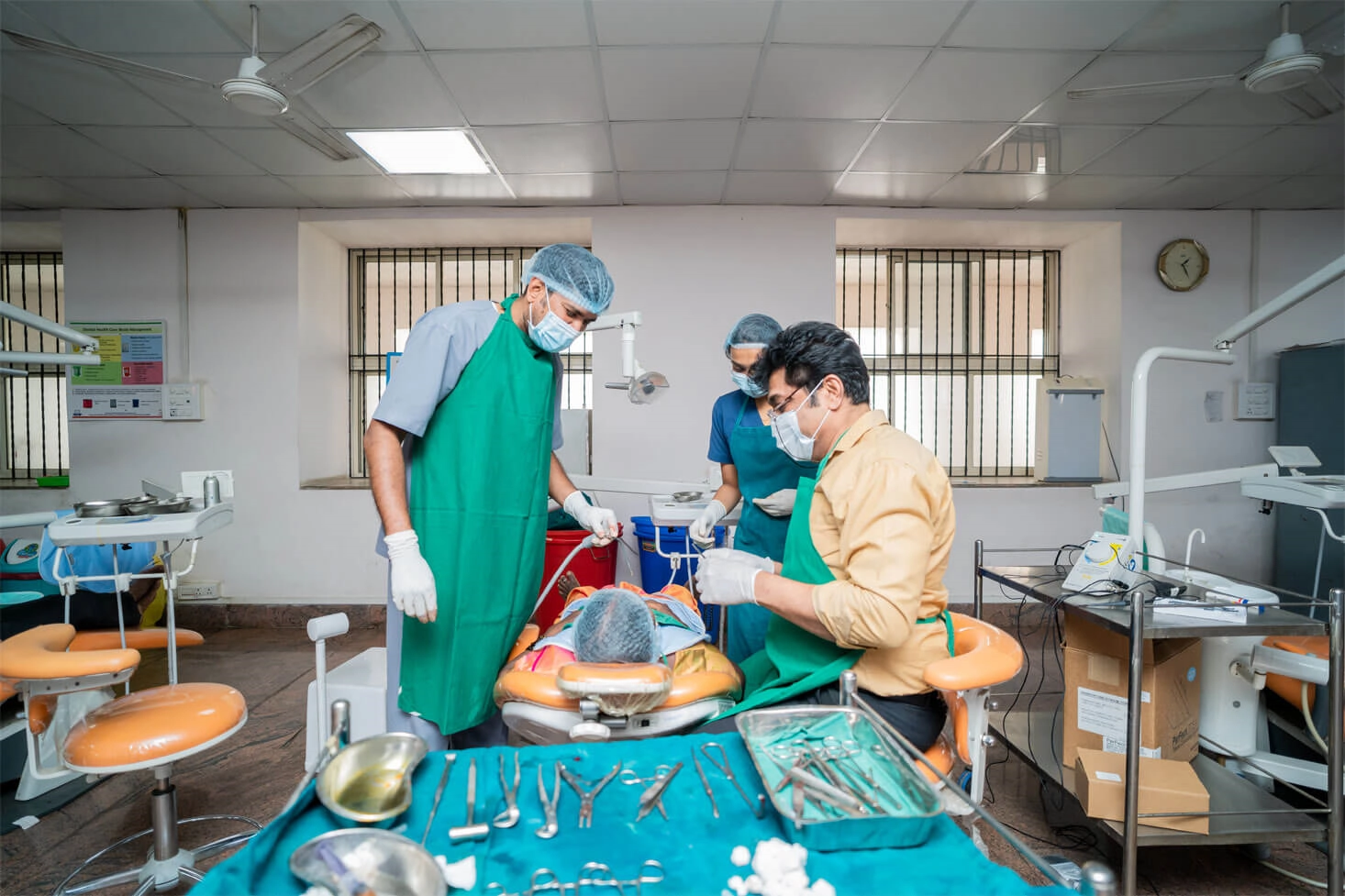
Oral surgery can sound intimidating, but with proper preparation and understanding, patients can approach it with confidence. This post will guide you through what to expect, how to prepare, and how to care for yourself after oral surgery.
Types of Oral Surgery Procedures
Oral surgery encompasses a wide range of treatments. Some common procedures include:
Wisdom Tooth Removal: To prevent crowding, infection, and pain.
Dental Implant Placement: A permanent solution for missing teeth.
Jaw Surgery: Correcting misalignment and improving function.
Gum and Bone Surgery: Addressing bone loss or periodontal disease.
Oral Lesion Removal: Treating cysts, tumors, or abnormal growths.
Preparing for Oral Surgery
Preparation is key to a smooth surgical experience:
Medical History Review Inform your oral surgeon about any medical conditions, medications, or allergies. Certain conditions like diabetes, heart disease, or immune disorders may require special precautions.
Follow Pre-Surgery Instructions Surgeons often provide guidelines such as fasting before surgery or stopping certain medications. Adhering to these instructions ensures your safety during anesthesia.
Arrange Transportation For procedures requiring sedation or general anesthesia, you will need someone to drive you home.
Mental Preparation Anxiety is common before surgery. Discuss any concerns with your oral surgeon—they can provide reassurance and explain the procedure in simple terms.
During Oral Surgery
Most oral surgeries are performed on an outpatient basis. Anesthesia ensures you remain comfortable and pain-free during the procedure. The surgeon will perform the operation carefully, using advanced tools and techniques to minimize trauma and promote faster healing.
Post-Operative Care
Recovery plays a critical role in the success of oral surgery. Here are essential tips:
Pain Management: Your surgeon may prescribe pain relievers or recommend over-the-counter medications.
Oral Hygiene: Maintain oral hygiene but avoid the surgical site initially. Gentle rinsing with a saltwater solution is often recommended.
Dietary Adjustments: Stick to soft foods and avoid hot or spicy meals that may irritate the surgical site.
Follow-Up Appointments: Attend all follow-ups to ensure proper healing and monitor for complications.
Potential Risks and How to Minimize Them
While oral surgery is generally safe, potential risks include infection, bleeding, and swelling. Following pre- and post-surgical instructions minimizes these risks. Additionally, choosing a qualified oral surgeon ensures professional care and reduces complications.
Benefits of Oral Surgery
Pain Relief: Removal of impacted or infected teeth eliminates chronic discomfort.
Restored Function: Dental implants and jaw surgery restore proper chewing, speaking, and facial structure.
Preventative Care: Early intervention prevents more complex oral problems.
Confidence Boost: Reconstructive procedures can significantly enhance appearance and self-esteem.
Final Thoughts
Oral surgery may seem daunting, but with proper guidance and professional care, it can dramatically improve oral health, functionality, and aesthetics. Whether it’s a routine tooth extraction or a complex jaw procedure, consulting a skilled oral surgeon ensures safe, effective, and lasting results.
Taking the time to understand your procedure, follow instructions, and care for your recovery can make your oral surgery experience smooth and successful.
Comments are closed
Health Me Plus is your go-to health blog for trusted tips, expert advice, and easy wellness guides. Discover articles on fitness, nutrition, mental health, skincare, and healthy living all designed to help you feel your best every day. Stay informed, stay healthy with Health Me Plus!