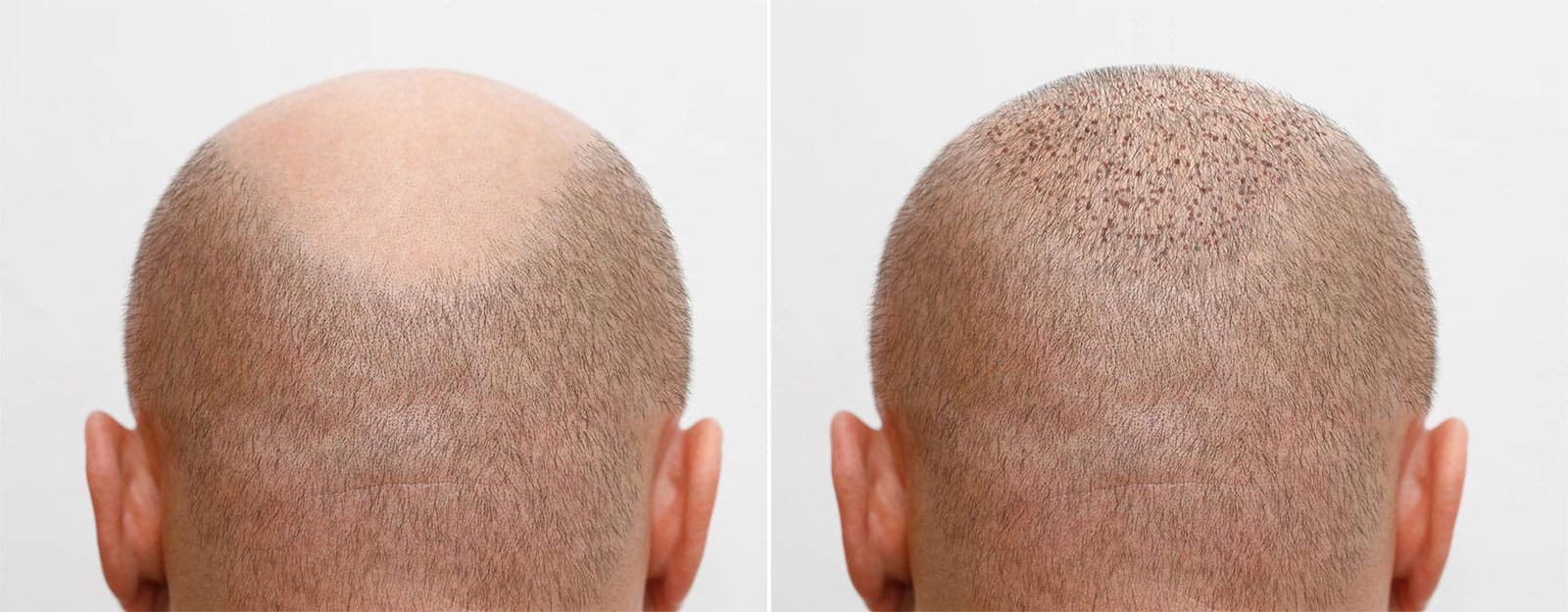
Hair loss is a common concern that affects millions of people worldwide. While medications and topical treatments may slow hair loss, they rarely provide permanent results. Hair transplantation has emerged as a revolutionary solution to help individuals regain their natural hair and self-confidence.
Hair loss can result from several factors, including genetics, hormonal changes, medical conditions, stress, and aging. The most common type is androgenetic alopecia, also known as male or female pattern baldness. While hair loss is often gradual, it can have a profound impact on one’s appearance and self-esteem.
A hair transplant is a surgical procedure designed to relocate healthy hair follicles from areas with dense growth (donor sites) to areas experiencing hair thinning or baldness (recipient sites). The transplanted hair continues to grow naturally over time, providing a permanent solution.
Hair transplants are suitable for both men and women. While the techniques may vary slightly, the goal remains the same: restore natural hair density and enhance overall appearance.
Hair transplants are ideal for individuals who have:
A consultation with a certified hair transplant surgeon is necessary to determine suitability and develop a personalized treatment plan.
Recovery after a hair transplant is relatively straightforward:
Hair transplants are more than just a cosmetic procedure—they are a solution that can restore both hair and confidence. Advances in technology, such as FUE and DHI, have made hair transplantation safer, minimally invasive, and capable of producing natural-looking results.
By choosing a qualified surgeon and following proper aftercare, individuals can enjoy the benefits of a full, natural head of hair and regain the confidence that comes with it. Hair transplants are a long-term investment in self-esteem and personal appearance.