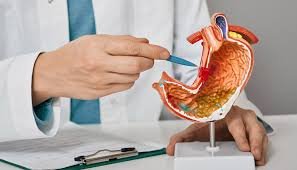
Gastroenterology uses advanced diagnostic tools and treatments to identify and manage digestive disorders effectively. Accurate diagnosis is the first step in ensuring proper treatment and improved quality of life.
Common Diagnostic Procedures:
Endoscopy: A flexible tube with a camera examines the esophagus, stomach, and duodenum for ulcers, inflammation, or tumors.
Colonoscopy: Screens the colon and rectum for polyps, cancer, or inflammation. Early detection of colon cancer through colonoscopy saves lives.
Imaging Tests: Ultrasound, CT scans, and MRI provide detailed images of abdominal organs, helping diagnose liver disease, pancreatitis, or gallstones.
Laboratory Tests: Blood, stool, and breath tests detect infections, inflammation, or malabsorption issues.
Treatment Approaches:
Medication: Antacids, proton pump inhibitors, laxatives, or anti-inflammatory drugs relieve symptoms and treat underlying conditions.
Surgery: Required in severe cases such as gallstones, bowel obstruction, or advanced IBD.
Advanced Therapies: Biologics and endoscopic interventions target complex conditions like Crohn’s disease and esophageal strictures.
Preventive Care: Regular screenings, vaccinations (like hepatitis vaccines), and early intervention for gastrointestinal symptoms are essential. Patients with family histories of digestive diseases should pay extra attention to preventive care.
Modern gastroenterology combines technology, skilled medical care, and lifestyle management to ensure optimal digestive health. Early consultation with a gastroenterologist can prevent complications, improve life quality, and support overall wellness.
Comments are closed
Health Me Plus is your go-to health blog for trusted tips, expert advice, and easy wellness guides. Discover articles on fitness, nutrition, mental health, skincare, and healthy living all designed to help you feel your best every day. Stay informed, stay healthy with Health Me Plus!