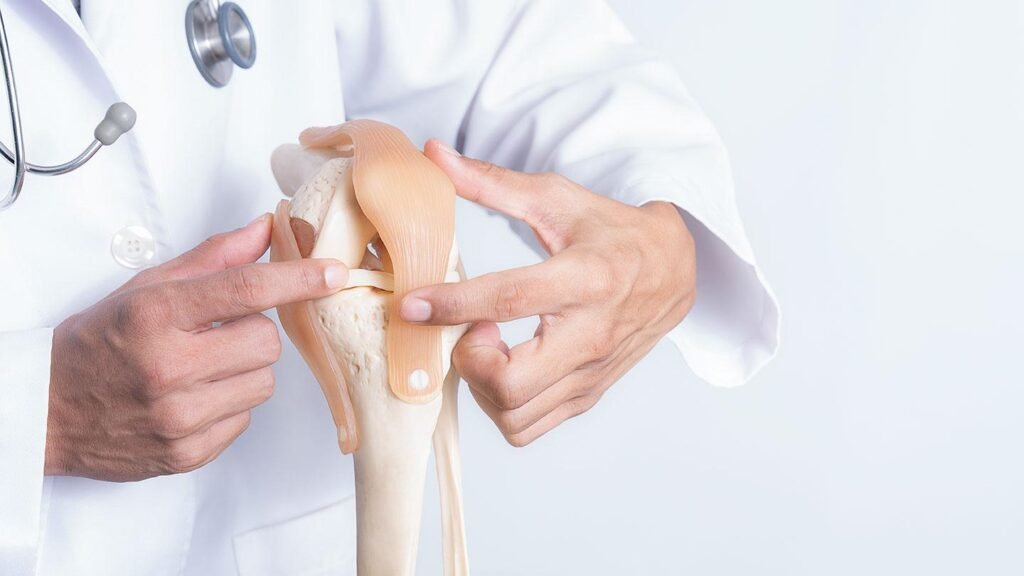
Living with bone, joint, or muscle pain can affect every part of your life—from how you walk and sleep to how you work and enjoy your daily routine. At modern orthopedic clinics, the focus is not just on relieving pain, but on restoring full mobility, improving strength, and helping patients return to the activities they love. With advancements in technology, minimally invasive surgeries, and personalized treatment plans, orthopedic care today is more effective, safe, and patient-centered than ever before.
Orthopedics is a broad medical specialty that deals with conditions related to the musculoskeletal system—bones, joints, ligaments, tendons, muscles, and nerves. Whether you’re suffering from long-standing arthritis, a sports injury, or sudden trauma, an orthopedic specialist can diagnose the issue, suggest the best treatment, and support your long-term recovery.
One of the most common reasons patients seek orthopedic care is joint pain, especially in the knees, hips, and shoulders. These joints are essential for everyday movements like walking, climbing stairs, lifting objects, and even sleeping comfortably. When these joints become stiff, swollen, or worn out due to injury, age, or overuse, the discomfort can significantly reduce your quality of life. Fortunately, modern orthopedic solutions—from medications to regenerative therapies and advanced joint replacement surgeries—help restore normal function with minimal downtime.
Sports injuries are another major area where orthopedics plays a vital role. Athletes, whether amateur or professional, often face challenges such as ligament tears, muscle strains, tendon injuries, and cartilage damage. Early diagnosis and accurate treatment are essential because delaying care can worsen the condition. Orthopedic specialists use tools like MRI scans, arthroscopy, and functional movement assessments to understand the injury fully. Many sports injuries can be treated without surgery using physiotherapy, bracing, and advanced techniques like platelet-rich plasma (PRP) therapy. When surgery is needed, minimally invasive arthroscopic procedures allow faster healing and quicker return to sports.
Orthopedic care isn’t only about treating injuries—it’s also about enhancing long-term bone and joint health. Conditions like osteoporosis, postural imbalances, and repetitive strain injuries develop slowly but can lead to severe problems if not addressed early. Regular check-ups, healthy lifestyle changes, and preventive physiotherapy can significantly reduce the risk of long-term damage.
Another life-changing area in orthopedics is joint replacement surgery. Modern knee, hip, and shoulder replacements use highly durable implants and minimally invasive surgical methods that reduce pain, minimize scarring, and speed up recovery. Many patients regain the ability to walk, climb stairs, or even play sports after successful joint replacement surgeries. These procedures have become extremely reliable, offering long-term relief and improved mobility for patients who have suffered for years.
Rehabilitation plays a crucial role in orthopedic treatment. Even the best surgeries or medications need the support of physiotherapy, strengthening exercises, and movement correction. Patients who follow their rehabilitation plan recover faster, experience fewer complications, and enjoy better long-term outcomes.
Whether you are dealing with chronic pain, recovering from an injury, or trying to prevent future problems, orthopedic care offers the right blend of medical expertise, technology, and personalised attention. With the right guidance, you can regain your mobility, stay active, and live a pain-free life.