Good nutrition is the cornerstone of a healthy life. Every bite you take contributes to your body’s overall functioning, affecting energy levels, immunity, and even mood. Yet, with so much conflicting advice online, many people find it challenging to know what a truly balanced diet looks like.
What is a Balanced Diet?
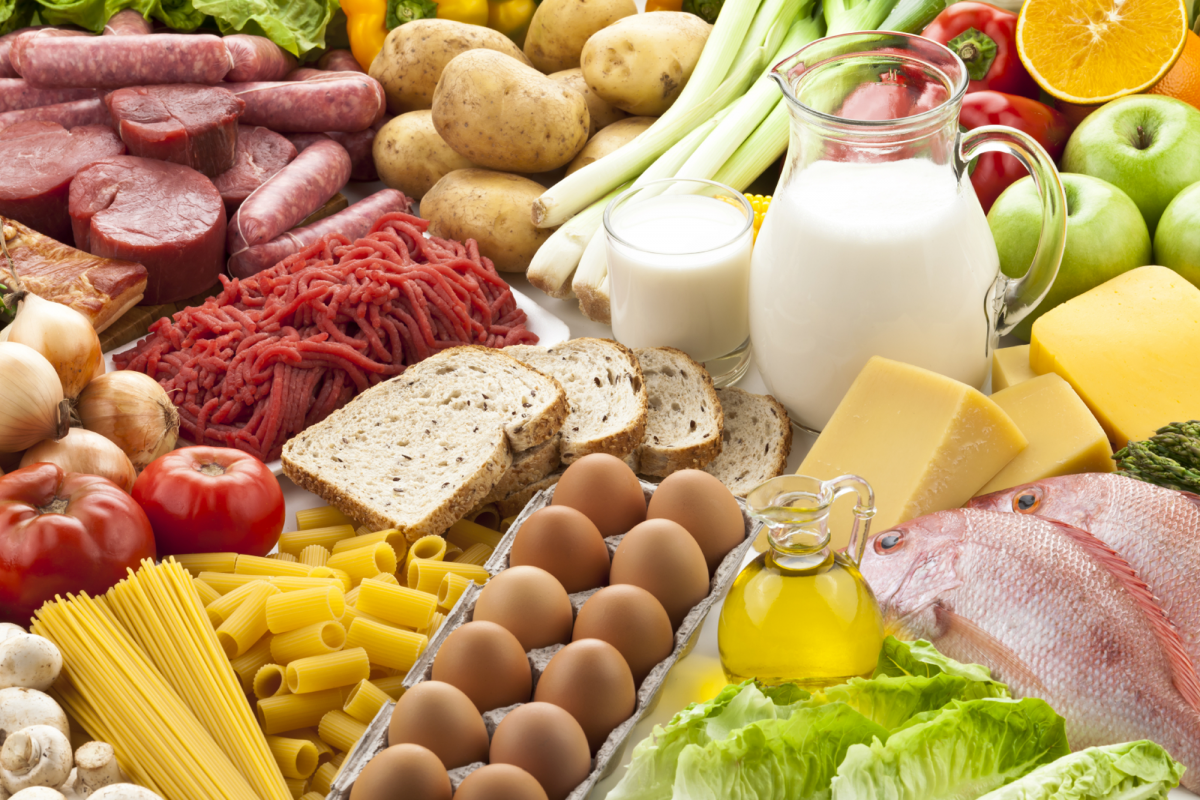
A balanced diet is one that provides all the essential nutrients your body needs in the right amounts. These include:
Carbohydrates: Your body’s primary energy source. Choose complex carbs like whole grains, oats, quinoa, and brown rice for sustained energy.
Proteins: Vital for growth, tissue repair, and muscle maintenance. Sources include lean meats, fish, eggs, dairy, legumes, and tofu.
Fats: Healthy fats are crucial for brain health and hormone regulation. Opt for avocados, nuts, seeds, and olive oil instead of processed fats.
Vitamins and Minerals: These micronutrients regulate a multitude of bodily functions, from bone strength to immune support. Fresh fruits, vegetables, and nuts are excellent sources.
Water: Often overlooked, hydration is essential for digestion, circulation, and temperature regulation.
The Role of Portion Control
Even when eating healthy foods, overconsumption can lead to weight gain or nutrient imbalances. Portion control ensures you get the right amount of calories and nutrients for your body’s needs. Tools like measuring cups, food scales, or simply listening to hunger cues can make a big difference.
Meal Planning Tips
Start with breakfast: Include protein, complex carbs, and healthy fats to fuel your day.
Incorporate colorful vegetables: Every meal should include at least half a plate of vegetables to maximize nutrient intake.
Include snacks wisely: Nuts, fruits, and yogurt are better options than processed snacks.
Cook at home: Homemade meals give you control over ingredients, reducing hidden sugars and unhealthy fats.
Mindful eating: Eat slowly, savor your food, and avoid distractions like screens.
Common Diet Mistakes to Avoid
Skipping meals: Can lead to energy dips and overeating later.
Over-reliance on supplements: Whole foods provide nutrients in forms that are easier for the body to absorb.
Eliminating entire food groups unnecessarily: Unless medically advised, a diverse diet is healthier.
The Bottom Line
A balanced diet isn’t about perfection—it’s about consistency. By prioritizing whole foods, mindful portions, and hydration, you can fuel your body effectively, prevent chronic diseases, and maintain energy levels. Remember, small, sustainable changes are more impactful than drastic diets.
Comments are closed
Health Me Plus is your go-to health blog for trusted tips, expert advice, and easy wellness guides. Discover articles on fitness, nutrition, mental health, skincare, and healthy living all designed to help you feel your best every day. Stay informed, stay healthy with Health Me Plus!