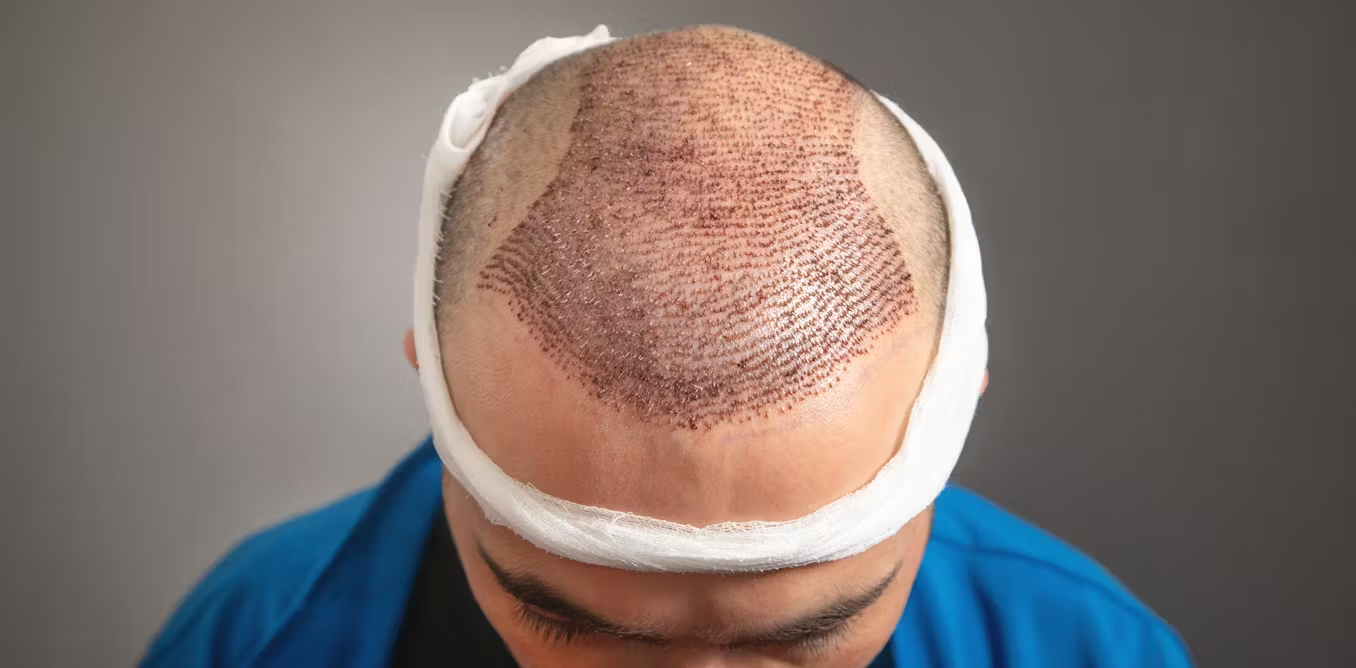
Hair loss can be a distressing experience for many, affecting confidence and self-esteem. Fortunately, hair transplant procedures offer a long-lasting solution to restore natural hair and improve appearance. In this guide, we’ll explore everything you need to know about hair transplants, including techniques, benefits, recovery, and aftercare.
What is a Hair Transplant?
A hair transplant is a surgical procedure that moves hair follicles from a part of the body called the “donor site” to a bald or thinning area called the “recipient site.” Most commonly, the donor area is the back or sides of the scalp where hair is genetically resistant to balding.
The main goal of hair transplantation is to restore hair density and create a natural-looking hairline. The procedure is minimally invasive, and advancements in technology have made it safer and more effective than ever.
Common Hair Transplant Techniques
FUT (Follicular Unit Transplantation)
In FUT, a strip of scalp containing hair follicles is surgically removed from the donor area.
The strip is divided into tiny grafts, which are then implanted into the thinning or bald areas.
FUT is ideal for patients who need large areas of coverage.
FUE (Follicular Unit Extraction)
FUE involves extracting individual hair follicles directly from the donor area using a specialized tool.
These follicles are then transplanted to the recipient area.
FUE is less invasive than FUT and leaves minimal scarring, making it increasingly popular.
DHI (Direct Hair Implantation)
A more advanced version of FUE, DHI uses a specialized pen to implant follicles directly without pre-made incisions.
This allows for precise control over hair direction and density.
Who is a Candidate for Hair Transplant?
Hair transplants are suitable for individuals experiencing:
Male or female pattern baldness
Thinning hair due to genetics
Hair loss from injury or burns
Patchy hair loss
It’s essential to consult a qualified hair transplant surgeon to evaluate hair density, scalp condition, and overall health before undergoing the procedure.
Benefits of Hair Transplants
Natural Results: Transplanted hair grows naturally, making it difficult to distinguish from existing hair.
Permanent Solution: Unlike temporary treatments, hair transplants provide lasting results.
Boosts Confidence: Restoring hair can significantly improve self-esteem and appearance.
Minimal Downtime: Modern techniques allow for a faster recovery with minimal scarring.
Recovery and Aftercare
After a hair transplant, proper care is crucial to ensure optimal results:
Initial Healing: Mild swelling, redness, or scabbing may occur within the first week.
Avoiding Strain: Avoid strenuous activities and direct sunlight for at least two weeks.
Hair Washing: Gentle washing is recommended after a few days, following your surgeon’s instructions.
Follow-up: Regular check-ups are necessary to monitor growth and ensure proper healing.
Conclusion
Hair transplants are an effective and reliable solution for restoring hair and confidence. With modern techniques like FUE and DHI, the procedure is safer, less invasive, and more natural-looking than ever. Consulting with a qualified surgeon is essential to determine the best approach based on your hair type, loss pattern, and expectations.
Investing in a hair transplant can be life-changing, offering a permanent solution to hair loss and helping individuals regain a youthful, confident appearance.
Comments are closed
Health Me Plus is your go-to health blog for trusted tips, expert advice, and easy wellness guides. Discover articles on fitness, nutrition, mental health, skincare, and healthy living all designed to help you feel your best every day. Stay informed, stay healthy with Health Me Plus!