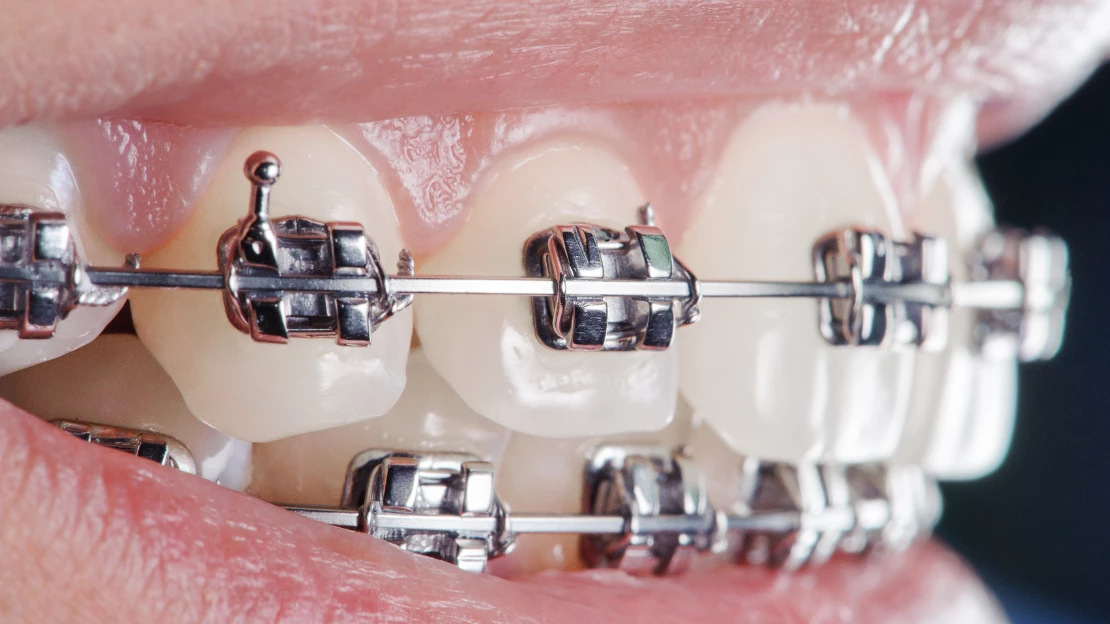
Orthodontics is a specialized branch of dentistry that focuses on correcting misaligned teeth and jaws. It is not just about creating a beautiful smile; it also improves oral health, prevents future dental issues, and enhances overall confidence. Whether it’s traditional braces or modern clear aligners, orthodontic treatments are designed to suit the needs of children, teenagers, and adults.
Why Orthodontic Treatment is Important
Misaligned teeth and bite issues can lead to several problems:
Difficulty in cleaning teeth: Crowded or crooked teeth can trap food and plaque, increasing the risk of cavities and gum disease.
Jaw discomfort: Misaligned bites can cause jaw pain, headaches, or even temporomandibular joint (TMJ) disorders.
Speech problems: Certain misalignments can affect speech clarity and pronunciation.
Self-confidence issues: A misaligned smile can impact self-esteem, especially in social or professional settings.
Common Orthodontic Issues
Orthodontists diagnose and treat a range of dental conditions, including:
Overcrowding: Teeth do not have enough space to align properly.
Overbite and underbite: Upper or lower teeth protrude more than they should.
Crossbite: Upper teeth sit inside the lower teeth.
Spacing issues: Gaps or spaces between teeth.
Open bite: Front teeth do not touch when the mouth is closed.
Orthodontic Treatment Options
Orthodontics has evolved significantly, offering a variety of treatment options:
1. Traditional Metal Braces
Most common type of braces.
Made of high-grade stainless steel.
Effective for complex dental issues.
Modern designs are smaller, more comfortable, and less noticeable than before.
2. Ceramic Braces
Made of tooth-colored material.
Blend with natural teeth for a discreet appearance.
Ideal for patients seeking a less visible option.
3. Lingual Braces
Placed behind the teeth.
Virtually invisible from the front.
Custom-made for individual teeth.
4. Clear Aligners
Removable and transparent.
Popular brands include Invisalign.
Comfortable, convenient, and ideal for mild to moderate cases.
The Orthodontic Treatment Process
Orthodontic treatment typically involves several steps:
Initial Consultation: Comprehensive dental examination, X-rays, and photographs.
Treatment Planning: Orthodontist designs a personalized plan based on your dental condition.
Appliance Placement: Braces or aligners are applied.
Regular Adjustments: Periodic visits for adjustments and progress monitoring.
Retention: After treatment, retainers maintain teeth in their new positions.
Benefits of Orthodontics
Improved oral hygiene and easier brushing/flossing.
Reduced risk of dental problems such as tooth decay and gum disease.
Enhanced bite functionality for chewing and speaking.
Boost in confidence with a straight, radiant smile.
Long-term oral health and prevention of jaw complications.
Conclusion
Orthodontics is more than just cosmetic dentistry. It ensures proper alignment of teeth and jaws, contributing to both health and confidence. Whether it’s a child needing early intervention or an adult seeking discreet treatment, orthodontic care can transform smiles and lives. Regular consultations with a qualified orthodontist are key to achieving the best results.
Comments are closed
Health Me Plus is your go-to health blog for trusted tips, expert advice, and easy wellness guides. Discover articles on fitness, nutrition, mental health, skincare, and healthy living all designed to help you feel your best every day. Stay informed, stay healthy with Health Me Plus!