Most neurological conditions begin with subtle symptoms that people often overlook. A small episode of dizziness, a sudden muscle twitch, or mild numbness may seem harmless, but these signs can sometimes indicate deeper nerve-related problems. The human nervous system is extremely complex, and early signs often appear before major issues develop. Recognizing these symptoms early can make a significant difference in treatment outcomes.
One of the most common warning signs is frequent headaches. While occasional headaches are normal, headaches that come with light sensitivity, nausea, or visual changes could indicate migraines or other conditions. Similarly, persistent numbness or tingling in the hands, legs, or face could point to nerve compression, neuropathy, or spinal issues. Memory problems, confusion, sudden personality changes, or difficulty speaking may be early signs of neurological disorders and should be evaluated without delay.
Stroke is one of the most critical neurological emergencies. Symptoms like sudden weakness on one side of the body, difficulty speaking, or a drooping face require immediate medical care. Quick action can save brain function and reduce long-term disability. Many people assume stroke only affects older individuals, but lifestyle factors like stress, smoking, and high blood pressure put younger adults at risk too.
In addition to emergencies, chronic neurological issues such as Parkinson’s disease, epilepsy, and dementia also show early signs that people often ignore. Tremors, muscle stiffness, unusual sleep disturbances, or repeated episodes of blackouts or confusion should never be dismissed. Early diagnosis allows neurologists to manage the condition more effectively and improve long-term outcomes.
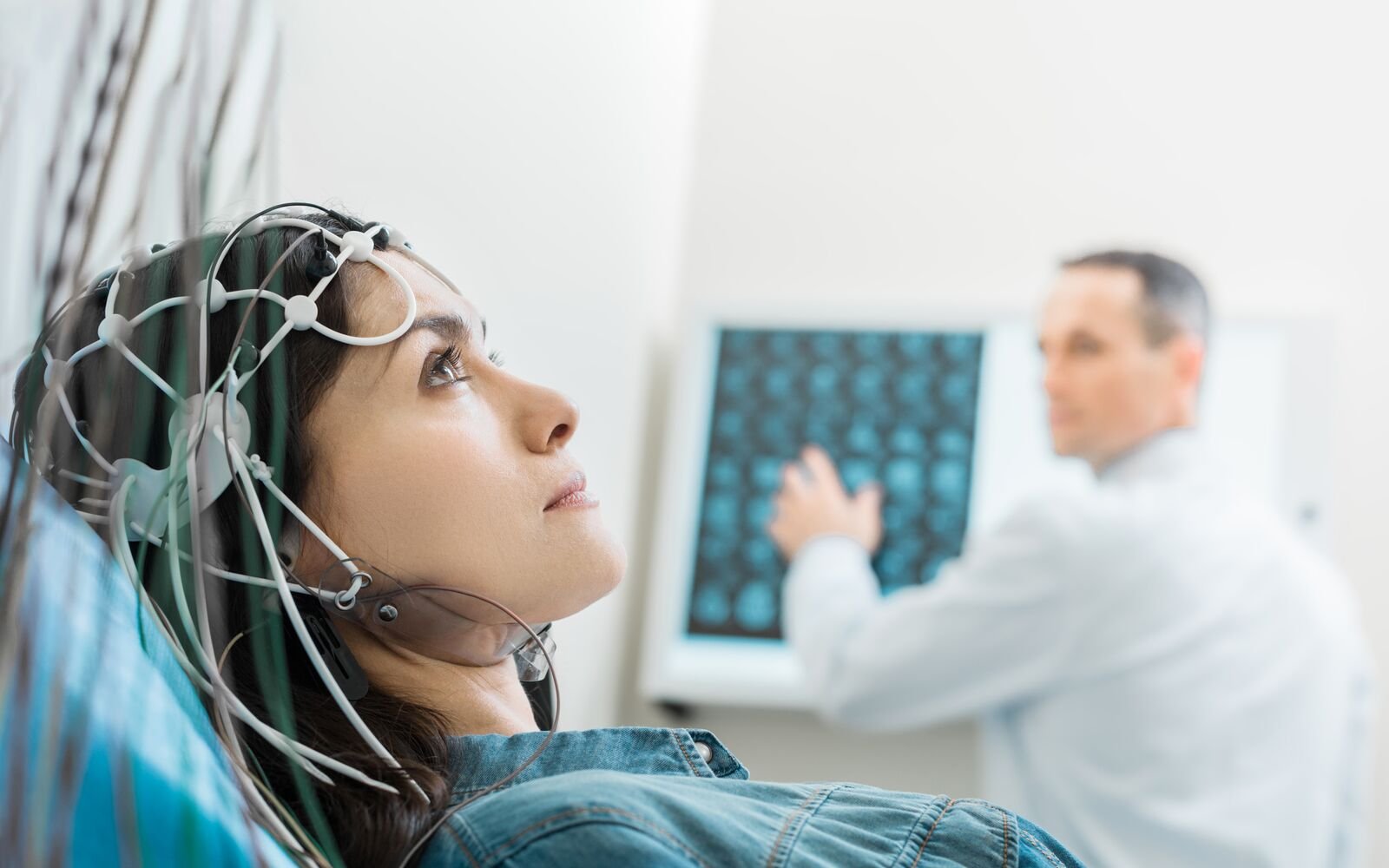
Modern neurology offers advanced diagnostic tools that help detect problems early. Treatments today are more effective, personalized, and minimally invasive than ever before. Whether it’s medication, nerve therapies, rehabilitation programs, or lifestyle changes, timely care can dramatically improve quality of life.
Taking neurological symptoms seriously is essential because nerves do not regenerate easily. The earlier a condition is identified, the better the chances of preventing long-term damage. If you experience recurring or unexplained symptoms, don’t ignore them—consult a neurologist and protect your brain and nerve health.